 Image 1 of 1
A case study in what an analyst's own suffering can make possible — in theory, in technique, and in the room itself.
Featuring Dr. Dhwani Shah
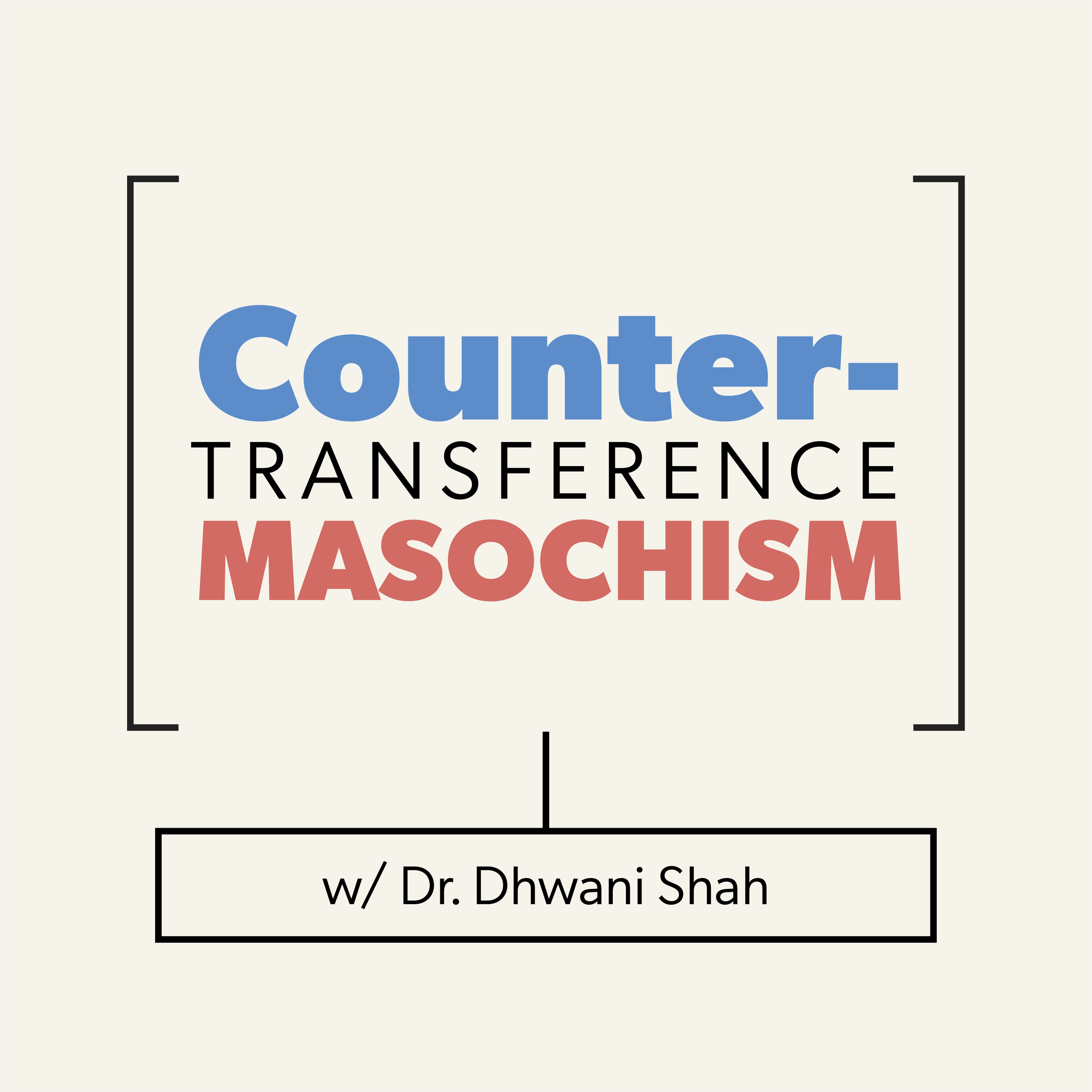
In this recorded session, Dr. Dhwani Shah revisits the work of Marilia Aisenstein — an innovator who challenged an assumption many analysts still take for granted: that masochism is inherently pathological, a self-defeating position to be corrected rather than understood. Aisenstein drew a distinction the field badly needed, between deathly, mortifying masochism and a primal erotogenic capacity she called "the guardian of life." Shah builds directly on that legacy, extending the inquiry into a question the field is still reluctant to sit with: how the analyst's own masochistic position — not just the patient's — shapes technique and produces enactments in the room.
What this session covers
Whether masochistic countertransference is always a technical failure, or whether it can function as a technical instrument
Where the training-standard view of masochistic countertransference needs revision — and how to apply that revision in practice
Why masochism sits at the center of analytic resistance to receiving a patient's most unbearable psychic pain
About Dr. Dhwani Shah
Dhwani Shah, M.D. is a psychiatrist and psychoanalyst practicing in Princeton, NJ. He is a Clinical Associate Faculty Member in the Department of Psychiatry at the University of Pennsylvania School of Medicine and a Supervising Analyst and Instructor at the Psychoanalytic Center of Philadelphia. He serves on the Editorial Board of The American Journal of Psychotherapy and is the author of The Analyst's Torment: Unbearable Mental States in Countertransference (Karnac, 2023).
This seminar took place live and is now available as a recorded session. CME credit is not available for recorded viewing.
A case study in what an analyst's own suffering can make possible — in theory, in technique, and in the room itself.
Featuring Dr. Dhwani Shah
In this recorded session, Dr. Dhwani Shah revisits the work of Marilia Aisenstein — an innovator who challenged an assumption many analysts still take for granted: that masochism is inherently pathological, a self-defeating position to be corrected rather than understood. Aisenstein drew a distinction the field badly needed, between deathly, mortifying masochism and a primal erotogenic capacity she called "the guardian of life." Shah builds directly on that legacy, extending the inquiry into a question the field is still reluctant to sit with: how the analyst's own masochistic position — not just the patient's — shapes technique and produces enactments in the room.
What this session covers
Whether masochistic countertransference is always a technical failure, or whether it can function as a technical instrument
Where the training-standard view of masochistic countertransference needs revision — and how to apply that revision in practice
Why masochism sits at the center of analytic resistance to receiving a patient's most unbearable psychic pain
About Dr. Dhwani Shah
Dhwani Shah, M.D. is a psychiatrist and psychoanalyst practicing in Princeton, NJ. He is a Clinical Associate Faculty Member in the Department of Psychiatry at the University of Pennsylvania School of Medicine and a Supervising Analyst and Instructor at the Psychoanalytic Center of Philadelphia. He serves on the Editorial Board of The American Journal of Psychotherapy and is the author of The Analyst's Torment: Unbearable Mental States in Countertransference (Karnac, 2023).
This seminar took place live and is now available as a recorded session. CME credit is not available for recorded viewing.